Head and Neck Cancer Surgery: What You Need to Know
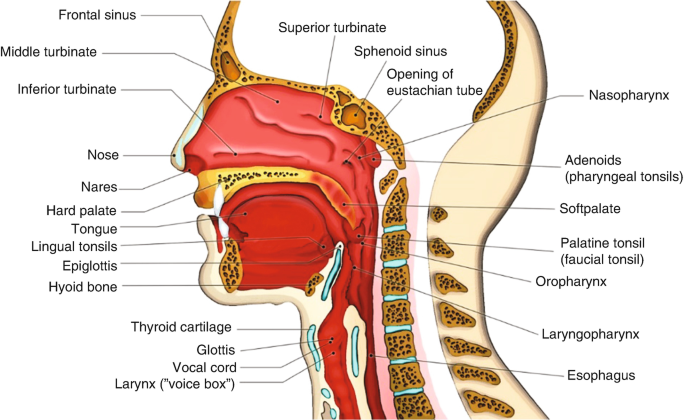
Head and neck cancers can affect many areas such as the mouth (oral cavity), throat (pharynx), voice box (larynx), thyroid, and salivary glands. Because these parts of the body are involved in essential functions like talking, breathing, and swallowing, treatment often requires careful planning—not just to remove the cancer, but also to help you return to a normal life afterwards.
– What Types of Surgery Are Offered?
We offer a full range of surgical treatments, depending on where the cancer is and how advanced it is. These include:
- Tumor removal (resection)
- Neck dissection to remove any cancerous lymph nodes
- Reconstructive surgery, including flap reconstruction, where tissue is taken from another part of your body to rebuild areas affected by cancer surgery
Our team uses advanced techniques to make sure you get the best cancer control while also preserving your ability to eat, speak, and look your best. For example, if surgery affects part of your face or jaw, we often use free flap or regional flap reconstruction to restore form and function.
– How Is the Diagnosis Made?
Diagnosing head and neck cancer involves several steps:
-
A physical exam and looking at symptoms like a lump, sore, hoarseness, or difficulty swallowing
-
Imaging scans such as CT, MRI, or PET-CT to see the tumor
-
Biopsy, which might be done using a needle or during a small procedure
Once we have a diagnosis, we determine how far the cancer has spread—called staging—and plan the best way to treat it.
– What Can You Expect?
We make sure you’re prepared before surgery with clear information and guidance. After surgery, we focus on:
- Helping you heal comfortably
- Supporting your speech and swallowing recovery
- Monitoring for any signs of recurrence
- Offering psychological and nutritional support
Many patients are surprised at how quickly they can return to daily activities with the right care and follow-up.
– Our Expertise and Research
Our team is actively involved in research to improve patient outcomes. We’ve published studies on:
-
Functional outcomes after flap reconstruction
-
Early recovery after oral cancer surgery
-
New techniques in thyroid and salivary gland tumor surgery
This ongoing work means you’re getting care that’s not only compassionate but backed by science.