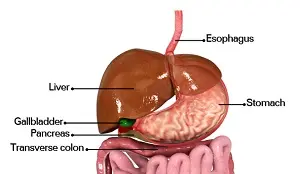
Upper GI Cancer Surgery (Esophagus and Stomach)
Cancers of the esophagus and stomach are serious conditions that require timely diagnosis and expert surgical care. These cancers often develop silently, with symptoms such as difficulty swallowing, weight loss, indigestion, or persistent nausea appearing only in later stages. Surgical treatment plays a central role in managing these cancers, especially when diagnosed early or in locally advanced stages that are still amenable to curative resection.
– Types of Upper GI Cancers Treated
We treat a range of malignant conditions affecting the:
-
Esophagus (including squamous cell carcinoma and adenocarcinoma)
-
Gastroesophageal junction (GEJ)
-
Stomach (gastric adenocarcinoma, GISTs, lymphomas)
Accurate diagnosis and staging are essential to ensure optimal outcomes and avoid unnecessary procedures.
– Surgical Procedures Offered
The surgical approach depends on the location, size, and stage of the tumor. Common procedures include:
-
Esophagectomy: Removal of part or all of the esophagus, typically followed by reconstruction using the stomach or part of the colon to restore swallowing.
-
Gastrectomy:
i) Total gastrectomy – removal of the entire stomach, typically for tumors in the upper part.
ii) Subtotal (distal) gastrectomy – for tumors in the lower part of the stomach. -
Lymph node dissection: Removal of nearby lymph nodes to assess for cancer spread, which is critical for accurate staging and treatment planning.
We offer minimally invasive and laparoscopic techniques, including thoracoscopic and laparoscopic esophagectomy and laparoscopic gastrectomy, which are associated with:
-
Less blood loss
-
Smaller incisions and scars
-
Reduced hospital stay
-
Faster recovery
Whenever possible and safe, we favor these approaches for eligible patients.
– Post-Operative Care and Recovery
After surgery, patients are monitored in a high-dependency unit (HDU) or ICU. Post-operative recovery includes:
-
Gradual reintroduction of liquids and soft foods
-
Nutritional support, including supplements or feeding tubes if necessary
-
Breathing and mobility exercises to prevent complications
-
Follow-up to monitor for recurrence and manage long-term effects (e.g., reflux, swallowing difficulty)
Patients receive thorough education about diet modifications, symptom tracking, and when to seek medical attention.
Academic Contributions and Research
Our team has contributed to several peer-reviewed publications related to esophageal and gastric cancer, focusing on:
-
Outcomes of minimally invasive esophagectomy
-
Predictive factors for post-operative complications
-
Surgical margins and lymph node assessment in gastric cancer
-
Quality of life following upper GI cancer surgery
These studies help refine surgical techniques and improve patient-centered outcomes, reinforcing our commitment to evidence-based care.
– Final Thoughts
Upper GI cancer surgeries are complex and require meticulous planning, advanced surgical skills, and compassionate post-operative care. We offer all of this in a setting guided by research, precision, and a strong support system for patients and families.