Lower Gastrointestinal (GI) Cancer Surgery
Colorectal and anal cancers are among the most common cancers worldwide, but they are also highly treatable—especially when detected early. Surgical management plays a central role in treatment, offering a chance for cure in many cases. Our comprehensive approach combines cutting-edge surgical techniques with a strong focus on early detection, functional preservation, and long-term quality of life.
– Cancers Treated
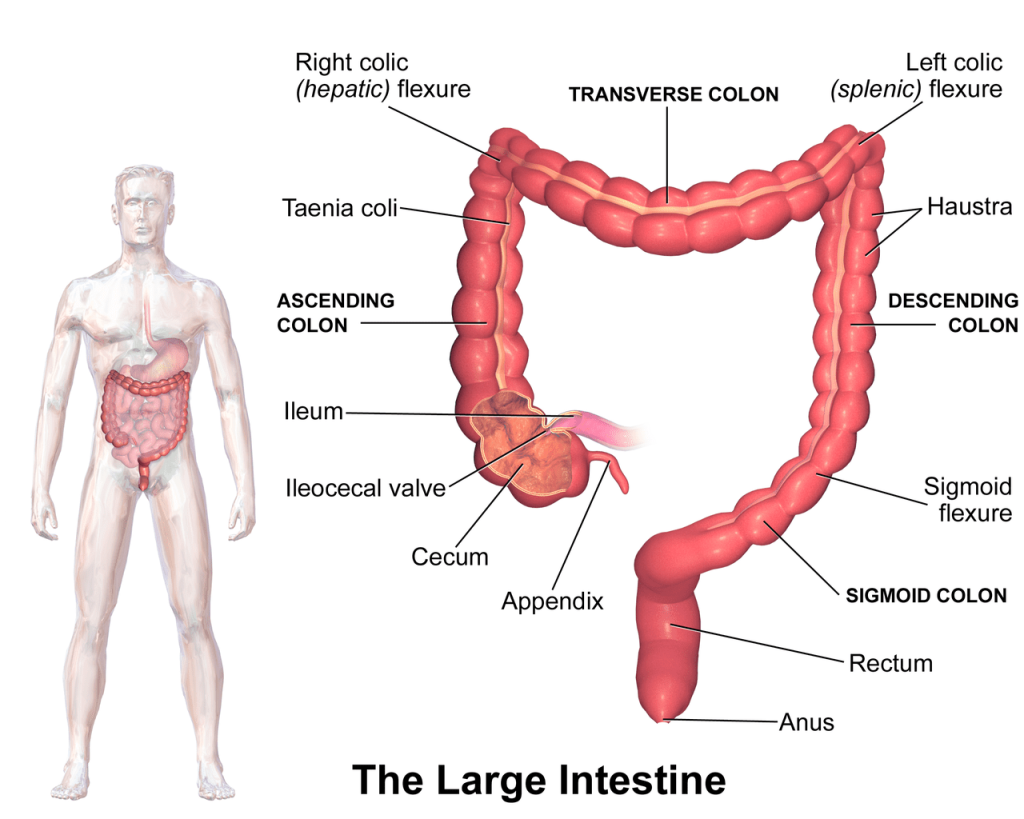
We provide expert care for cancers of the:
-
Colon
-
Rectum
-
Anus
This includes both early-stage and locally advanced cancers, as well as recurrent or metastatic disease when surgery is appropriate.
– Surgical Procedures Offered
Depending on the tumor’s location, stage, and complexity, we offer several specialized procedures:
-
Colectomy: Removal of part (segmental colectomy) or all (total colectomy) of the colon, often performed for colon cancers.
-
Low Anterior Resection (LAR): Used for rectal cancers in the upper or mid-rectum, preserving bowel function and avoiding a permanent stoma.
-
Abdominoperineal Resection (APR): Involves removal of the rectum and anus, typically for low rectal or anal cancers where sphincter preservation is not possible. A permanent colostomy is required in these cases.
-
Proctectomy: Removal of the entire rectum, sometimes part of a total mesorectal excision (TME) for advanced rectal cancer.
We aim to preserve normal function wherever possible, using nerve-sparing and sphincter-sparing techniques.
– Advanced and Minimally Invasive Techniques
We routinely perform laparoscopic colorectal surgeries, which offer:
-
Smaller incisions
-
Less postoperative pain
-
Quicker return to daily activities
-
Comparable oncologic outcomes to open surgery
In selected cases, robot-assisted surgery or transanal minimally invasive surgery (TAMIS) may also be considered for precision and preservation.
– Postoperative Care and Recovery
Post-surgical care is tailored to individual needs and includes:
-
Pain management and early mobilization
-
Bowel function monitoring
-
Nutritional counseling
-
Stoma education and support (if applicable)
-
Regular follow-up with clinical exams, imaging, and CEA monitoring
Enhanced Recovery After Surgery (ERAS) protocols are followed to speed recovery and minimize complications.
– Expertise and Outcomes
With years of experience in managing complex colorectal and anal cancers, including difficult pelvic dissections, recurrent tumors, and post-radiation surgeries, we ensure patients receive evidence-based, multidisciplinary care.
Our work in laparoscopic colorectal surgery and contributions to ongoing research and audits reflect a commitment to improving surgical outcomes. We have also participated in training programs and case presentations to enhance colorectal cancer awareness and treatment strategies.
Colorectal and anal cancers can be treated effectively with timely intervention and expert surgical care. With a focus on early detection, advanced minimally invasive surgery, and personalized treatment, we aim to help patients recover well and live fully after cancer treatment.