Urologic Cancer Surgery
(Kidney, Bladder, Prostate, and Testis)
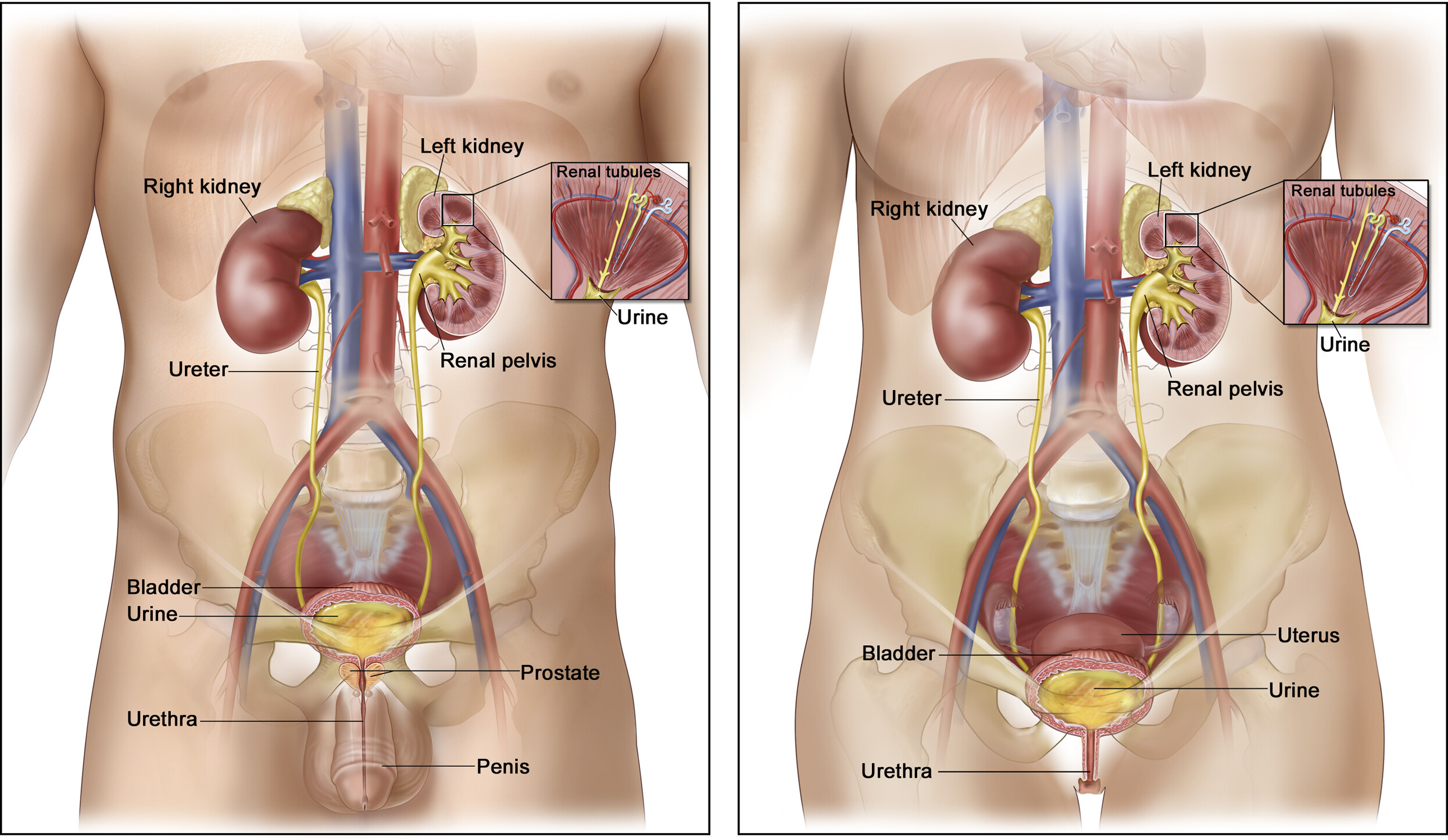
Urologic cancers affect vital organs of the urinary and reproductive systems. These include the kidneys, bladder, prostate, and testicles, and each presents unique challenges in diagnosis and surgical treatment. With advances in surgical technology, including minimally invasive and robotic-assisted techniques, the outcomes for these cancers have improved significantly. A comprehensive, stage-based approach ensures the best possible results, whether for cure or symptom relief.
– Cancers Treated
We offer surgical management for a wide range of urologic malignancies:
-
Kidney cancer (Renal cell carcinoma)
-
Bladder cancer (Transitional cell carcinoma and variants)
-
Prostate cancer (Adenocarcinoma of the prostate)
-
Testicular cancer (Germ cell tumors, seminoma/non-seminoma)
These cancers may present with symptoms like blood in urine, pain in the flank or pelvis, urinary difficulties, or be detected incidentally during routine imaging.
– Minimally Invasive Surgery
Where available and appropriate, robot-assisted surgery is offered for procedures such as:
-
Robotic prostatectomy
-
Robotic partial nephrectomy
-
Robotic cystectomy
These techniques provide:
-
Enhanced surgical precision
-
Better visualization in confined pelvic spaces
-
Smaller incisions and reduced blood loss
-
Faster recovery and shorter hospital stay
In centers without robotic systems, laparoscopic approaches are utilized for similar benefits in select patients.
– Multidisciplinary Care and Treatment Planning
Every patient’s case is reviewed with a multidisciplinary team, including:
-
Urologic and surgical oncologists
-
Medical and radiation oncologists
-
Radiologists and pathologists
-
Fertility and psychological counselors (especially in testicular cancer)
Staging involves imaging (CT, MRI, PET-CT), tumor markers (PSA, AFP, β-hCG, LDH), and sometimes cystoscopy or biopsy. Based on this, treatment may include:
-
Surgery alone (curative in early-stage cases)
-
Surgery with adjuvant chemotherapy or immunotherapy
-
Palliative surgery for symptom control in advanced cases
– Postoperative and Supportive Care
Recovery depends on the procedure performed and overall patient health. Postoperative care includes:
-
Monitoring urinary function and continence
-
Pain control and mobility enhancement
-
Hormonal or fertility counseling in testicular cancer
-
PSA or imaging surveillance for recurrence
Patients are supported with educational resources, follow-up schedules, and psychosocial care as needed.
Surgical treatment of urologic cancers requires not only technical skill but also a patient-centered, tailored approach. Whether it’s a complex radical cystectomy or a precision-guided robotic prostatectomy, the goal is to offer safe, effective, and function-preserving treatment. Our team is committed to providing expert care for urologic cancers, integrating the latest in surgical innovation with compassionate, multidisciplinary support.