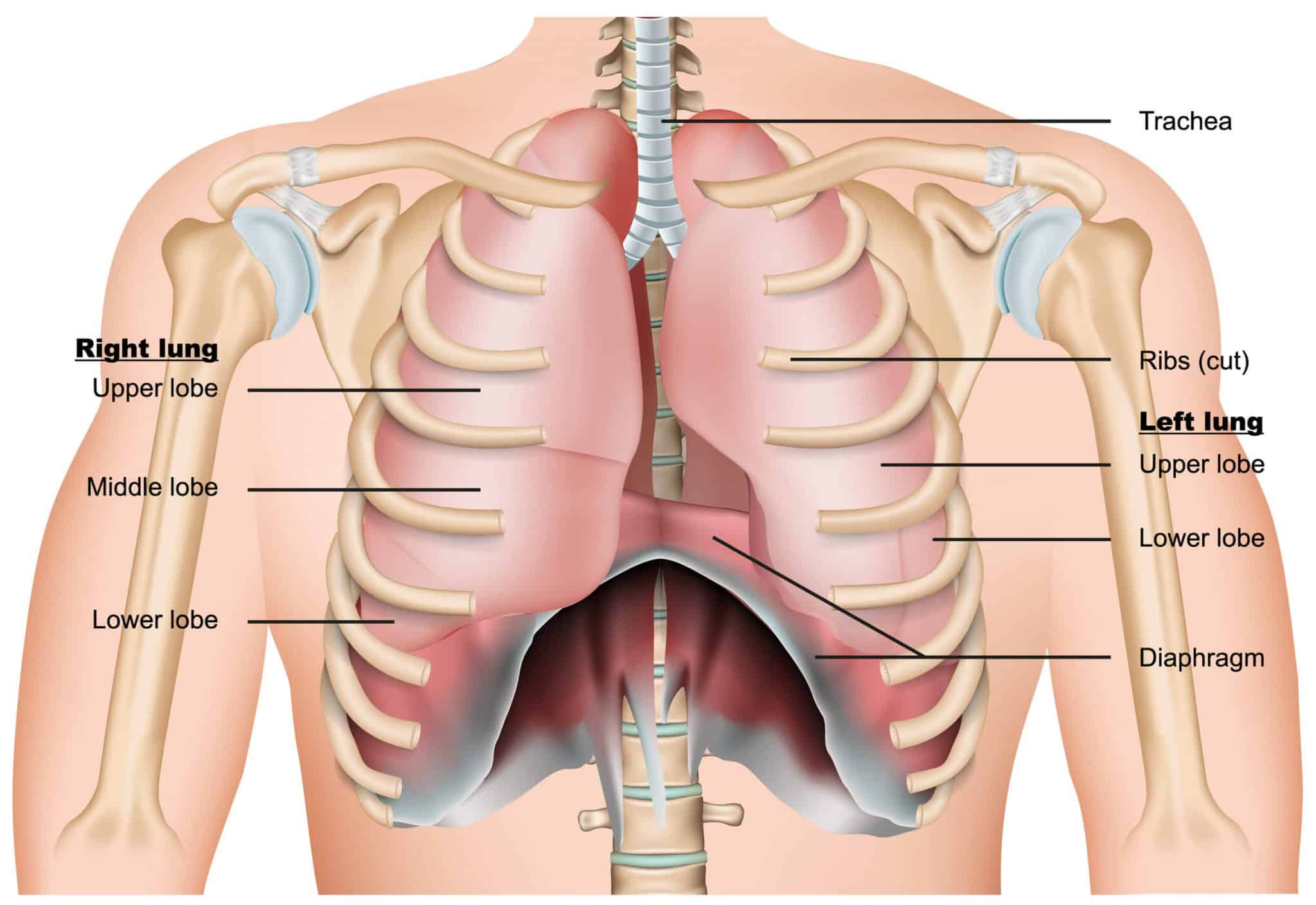
Thoracic Cancer Surgery
(Lung, Esophagus, and Mesothelioma)
Thoracic cancers affect critical organs within the chest cavity, most notably the lungs and esophagus, and also include rarer malignancies like mesothelioma. These conditions often require complex surgical interventions, coordinated care, and precise planning to achieve the best oncologic and functional outcomes. Our surgical oncology practice is experienced in offering cutting-edge, patient-centric thoracic surgical care.
– Lung Cancer
Lung cancer remains one of the leading causes of cancer-related deaths globally and is broadly classified into:
-
Non-Small Cell Lung Cancer (NSCLC) – the more common form, including adenocarcinoma, squamous cell carcinoma, and large cell carcinoma.
-
Small Cell Lung Cancer (SCLC) – a rapidly growing cancer typically treated with a combination of chemotherapy, radiation, and, in select cases, surgery.
Surgical Options for Lung Cancer:
-
Lobectomy: The standard surgical treatment for operable NSCLC, involving removal of one lung lobe.
-
Pneumonectomy: Entire lung removal, considered when the tumor spans multiple lobes or central structures.
-
Segmentectomy or Wedge Resection: Lung-sparing techniques for small or early-stage tumors, especially in patients with compromised lung function.
Where applicable, minimally invasive thoracic surgery (e.g., video-assisted thoracoscopic surgery – VATS, or robotic-assisted surgery) is offered to reduce postoperative pain, promote faster recovery, and achieve comparable oncologic outcomes.
Staging through PET-CT, bronchoscopy, and endobronchial ultrasound (EBUS) helps guide the treatment plan. In many cases, surgery is combined with chemotherapy and/or radiotherapy for optimal results.
– Minimally Invasive Thoracic Surgery
Where possible, VATS or robotic-assisted surgery is used for:
-
Lung resections (lobectomy, segmentectomy)
-
Mediastinal mass biopsies or resections
-
Pleural biopsies or effusions requiring intervention
-
Selected esophageal procedures
These techniques offer advantages such as:
-
Smaller incisions
-
Reduced pain and hospital stay
-
Faster return to normal activity
– Academic Contribution: Fecoptysis Case Presentation
Dr. Shukla has presented a rare and intriguing case of fecoptysis (expectoration of fecal material), a complication associated with bronchopleuroenteric fistula, highlighting diagnostic acumen and surgical decision-making in complex thoracic pathology. This presentation underscores experience in managing rare but serious thoraco-abdominal communications.
Thoracic cancer surgery demands not only technical excellence but also a clear understanding of tumor biology and patient physiology. From standard lobectomies to complex mesothelioma resections and rare case management, our approach remains rooted in evidence-based practices and multidisciplinary coordination. Patients receive personalized treatment plans tailored to their diagnosis, ensuring the best possible oncologic and functional outcomes.